The foundation of any successful interior design project isn’t the paint on the walls or the fabric on the sofa; it’s the floor plan. A well-executed floor plan, especially when paired with thoughtful flooring selections, acts as the silent director of traffic flow, the chief architect of ambiance, and the ultimate determinant of a space’s functionality and aesthetic appeal. For both homeowners embarking on a renovation and professional designers crafting a new build, understanding the deep connection between structural layout and material choice is paramount. This article delves into the nuances of modern floor plans and the strategic considerations that guide a designer’s hand when choosing the perfect flooring.
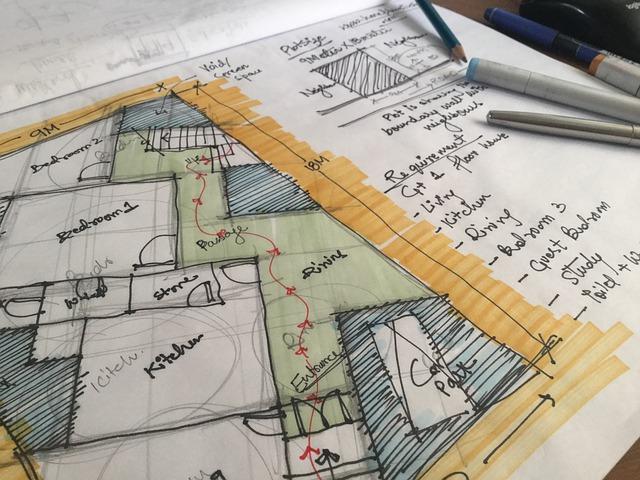
The Floor Plan: More Than Just Lines on Paper
A floor plan is a scaled diagram that illustrates the relationships between rooms, spaces, and other physical features at one level of a structure. Its role extends far beyond mere measurement. It dictates how light moves, how sound travels, and most crucially, how people interact within the space.
The Open Concept vs. Zoned Living Debate
The most significant floor plan decision in contemporary design revolves around open concept versus zoned/traditional living.
- Open Concept: This layout, where common areas like the kitchen, dining room, and living room merge into a single large space, promotes social interaction, maximizes natural light, and offers unparalleled visual continuity.
- Flooring Implication: In an open concept, flooring becomes the unifying element. Using the same material throughout the expansive space is essential to reinforce the flow. Designers often gravitate towards wide-plank wood, large-format porcelain tiles, or continuous concrete to minimize visual breaks and make the space feel even larger.
- Zoned Living (Broken Plan): This involves distinct, often enclosed, rooms for specific functions. While offering privacy, sound isolation, and better energy efficiency, it requires a more nuanced flooring approach.
- Flooring Implication: The distinct boundaries allow for creative flooring transitions. A designer might choose rich carpet for the quiet study, sophisticated marble for the foyer, and durable tile for the kitchen. The challenge lies in creating seamless, intentional transitions (using threshold strips or complementary materials) that don’t feel jarring.
Understanding Traffic Flow and Functionality
A great floor plan anticipates movement. High-traffic paths—from the front door to the main living area, or the corridor connecting bedrooms—must be identified.
- Design Choice: In these heavy-duty zones, the flooring must prioritize durability and ease of maintenance. This is why materials like luxury vinyl plank (LVP), engineered hardwood with a robust wear layer, or porcelain/ceramic tile are preferred in entryways, mudrooms, and kitchens. A designer will specify a high Abrasion Class (AC) rating for laminates or a high Porcelain Enamel Institute (PEI) rating for tiles in these areas.
Designer Flooring Choices: Aesthetics Meets Performance
Once the plan is set, the material choice begins. Professional designers weigh four critical factors: Durability, Budget, Maintenance, and Aesthetics.
1. Hardwood: The Timeless Classic
Hardwood remains the gold standard for its warmth, value, and ability to be refinished.
- Strategic Use: Best used in living rooms, dining rooms, and hallways where moisture is minimal.
- Modern Twist: Designers are moving towards wide-planks (6 inches and wider) and lighter, matte finishes (e.g., natural oak or white oak with a clear, water-based polyurethane) to give rooms a clean, contemporary Scandinavian or Japandi aesthetic. Engineered wood is a practical choice for below-grade installations or over radiant heating systems, offering the look of solid wood with greater stability.
2. Tile and Stone: The Durable and Dramatic
Tile (ceramic and porcelain) and natural stone (marble, slate, travertine) are indispensable for wet areas and high-impact zones.
- The Porcelain Revolution: Porcelain tile is arguably the most versatile material today. Technological advancements allow it to perfectly mimic the look and texture of wood, marble (book-matched vein patterns), and concrete, but with superior water resistance.
- Designer Trend: Using large-format tiles (24”x48” or larger) on the floor. Fewer grout lines create a cleaner, more expansive surface, especially effective in bathrooms and kitchens.
- Grout Choice: An often-overlooked detail is the grout. Designers often choose a grout color that closely matches the tile to minimize its visual presence, thereby achieving a monolithic, seamless look.
3. Carpet and Rugs: Softness and Sound Control
While wall-to-wall carpet has seen a decline, it still offers unbeatable benefits in specific areas.
- Strategic Use: Essential in bedrooms, nurseries, and dedicated media rooms for comfort, insulation, and noise absorption.
- Focus on Texture: Instead of thick, shaggy cuts, designers opt for low-pile, textured weaves like Berber, cut-and-loop, or tailored sisal-look options for a more sophisticated feel. Area rugs, used strategically within open floor plans, serve as a ‘zoning’ tool, visually defining the living room space from the dining area.
4. Luxury Vinyl Plank (LVP) and Laminate: The Performance Leaders
These materials have shed their ‘cheap alternative’ reputation and are now lauded for their waterproof properties and realistic visuals.
- LVP/LVT: Particularly favored in basements, laundry rooms, and rental properties. Modern LVP with a thick wear layer (20 mil+) and rigid core technology (SPC/WPC) provides a robust, often 100% waterproof solution that can mimic nearly any other material convincingly.
- The Uniform Look: Designers appreciate that LVP can be run continuously into powder rooms and kitchens without worrying about spills, maintaining that essential unified look in an open floor plan.
The Designer’s Golden Rules for Cohesion
To achieve a professional, integrated look, a designer follows several key principles regarding the relationship between the floor plan and the flooring:
- Consistency in Tone, Not Material: In a multi-story home, it’s not necessary to use the exact same material everywhere, but the dominant undertone (warm, cool, or neutral) should be consistent. For instance, pairing a warm oak floor on the main level with a warm gray carpet upstairs ensures visual harmony.
- Scale and Proportion: The size of the room must inform the size of the flooring element. A small bathroom benefits from a slightly smaller tile to allow the pattern to repeat, while a large open space looks best with wide-plank wood or large-format tiles to minimize busy-ness.
- Light Reflectivity: The finish dictates how light behaves. A highly glossy floor (e.g., polished marble) will visually expand a space but show dust easily. A matte or honed finish absorbs light, creating a calm, grounded feel, which is currently the dominant design choice.
Conclusion: Designing from the Ground Up
The floor plan is the blueprint of human experience in a building, and the flooring is the skin that covers it. Successful design is achieved when these two elements are considered simultaneously. A professional designer doesn’t just pick a pretty material; they choose the one that aligns with the structural demands of the space, the traffic anticipated by the plan, and the overall aesthetic goal. By prioritizing durability in high-traffic areas and leveraging the power of continuous flooring to unify open spaces, you can ensure your home’s foundation is as functional and enduring as it is beautiful.