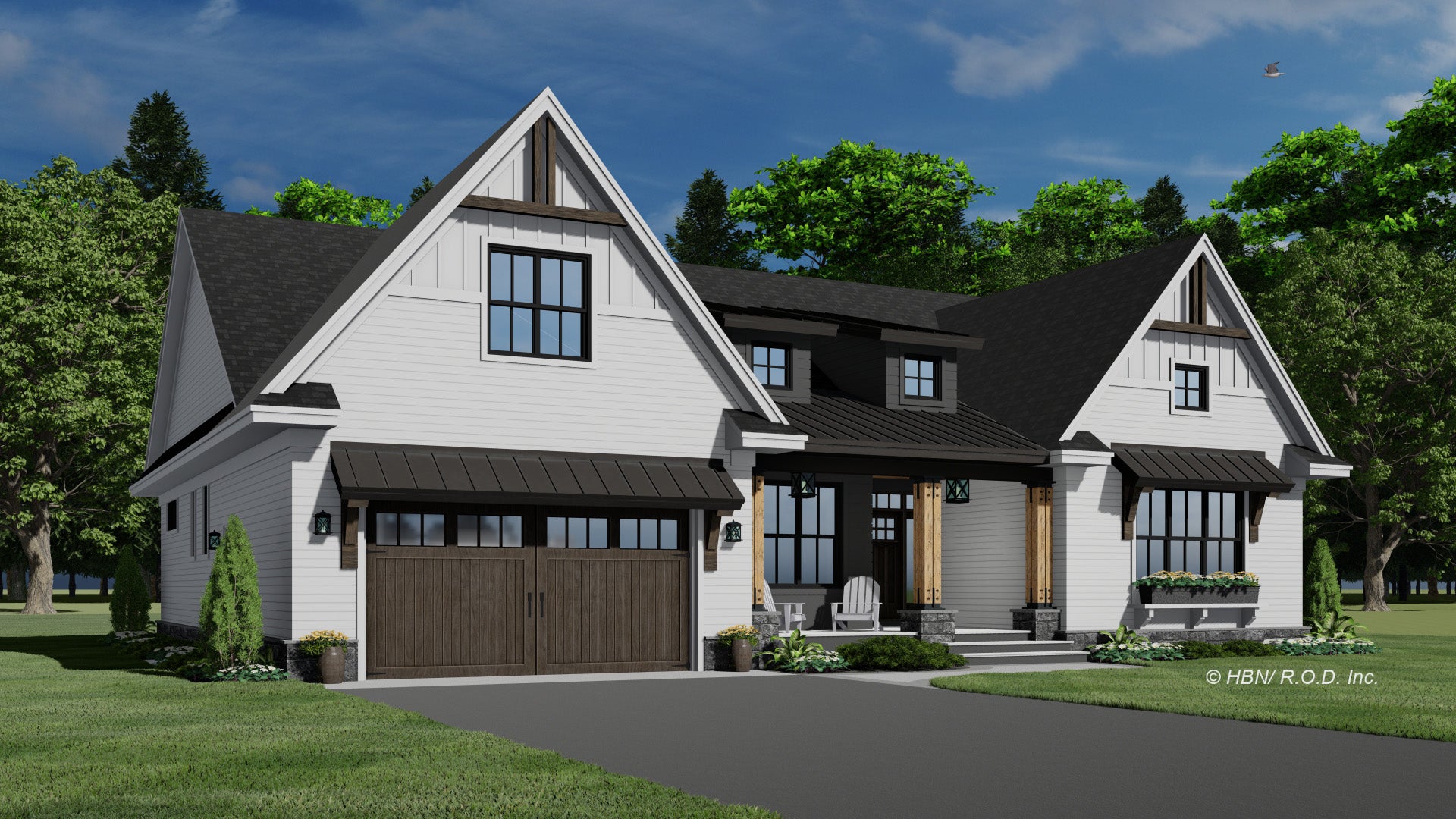
Small Footprint: Constructing Your Own Tiny Home


The desire for simpler living, financial freedom, and a lighter environmental impact has fueled the rapid growth of the tiny house movement. Moving away from the conventional American dream of sprawling properties, a tiny home—typically defined as a dwelling under 400 square feet—offers a profound shift in lifestyle and priorities. But moving from the romantic notion of minimalist living to the practical reality of building your own tiny sanctuary is a significant undertaking.

If you’re ready to trade in excess space for essential living, this guide will walk you through the core considerations and steps involved in constructing a tiny home that is uniquely yours.

Phase 1: Planning and Legal Foundations

Before the first nail is hammered, meticulous planning is essential. In the world of tiny homes, inadequate planning can lead to major structural or legal headaches down the road.

1. Designing Your Dwelling

The design phase is where … Read more

Continue Reading

Beyond Parking: Plans and Garage Designs for the Modern Home

The garage, once relegated to a simple, functional box for sheltering a car, has undergone a significant transformation. Today, it is recognized as a vital, flexible extension of the home—a workshop, a storage hub, a hobby area, or even a specialized living space. As its role expands, the importance of meticulous plans and garage designs has become paramount. A well-designed garage is not just about square footage; it’s about smart utilization, aesthetic integration with the main residence, and adherence to safety and structural standards.

For homeowners, builders, and architects alike, understanding the fundamentals of garage planning is the first step toward unlocking the full potential of this often-underutilized space.

The Foundation of Design: Key Planning Considerations

Designing a successful garage begins long before the first wall is framed. It requires careful consideration of its intended primary function, its relationship to the main house, and local regulatory requirements.

1. Defining

Read more Continue Reading

The Foundation of Design: Flooring Plans and Blueprints

In the complex symphony of construction and interior design, every element plays a crucial role. While the choice of hardwood, tile, or carpet often steals the spotlight, the true star—the underlying framework that makes it all possible—is the flooring plan itself. Far more than just a sketch, a meticulously crafted flooring plan and its corresponding blueprints are the indispensable maps that guide a project from conception to stunning reality. For anyone involved in building, renovating, or simply designing a space, understanding these foundational documents is key to achieving a successful, functional, and beautiful result.

What Exactly Are Flooring Plans and Blueprints?

Before diving into the details, it’s essential to define the key terms.

A blueprint, in its modern context, is a complete set of technical drawings that provides a comprehensive visual and technical guide for the construction of a building or a renovation project. It details everything from structural … Read more

Continue Reading

Why Architect-Designed House Plans Are the Ultimate Foundation

For many, building a new house is the biggest financial and emotional investment of a lifetime. The process begins not with concrete and steel, but with a piece of paper: the house plan. While pre-designed, stock plans offer a fast and affordable starting point, choosing a plan conceived by an architect offers unparalleled benefits, transforming a simple structure into a finely tuned machine for living.

An architect-designed plan is more than just a blueprint; it’s a detailed, site-specific, and fully customized vision that maximizes value, functionality, and long-term satisfaction.


Beyond the Basics: The Architectural Advantage

What distinguishes a truly architectural plan from a standard, ready-made design? It boils down to customization, efficiency, and artistry.

1. Site-Specific Optimization (The Crucial Difference)

Standard plans are designed for generic, flat lots. An architect, however, designs the house for your specific piece of land. They consider:

  • Solar Orientation: Positioning the house to
Read more Continue Reading

Navigating Dreams: The Art of House Plan Search

Embarking on the journey of finding the perfect house plan is a thrilling adventure that involves envisioning and shaping the future. The quest for the ideal blueprint is much like crafting a novel, where every room, corridor, and space tells a unique story. In this article, we explore the intricate art of house plan search, unraveling the key considerations and creative nuances that transform a mere blueprint into the manifestation of a dream home.

I. The Canvas of Vision: Understanding Your Dream Home

1. Identifying Your Needs: The Foundation of House Plan Search

Before delving into the vast realm of house plans, introspect on your lifestyle, preferences, and future needs. Consider factors such as the number of bedrooms, desired architectural style, and potential expansion areas. This self-discovery lays the foundation for a more targeted and fulfilling house plan search.

2. Visualizing Spaces: From Functional to Fabulous

Envision the spaces within … Read more

Continue Reading