For many, building a new house is the biggest financial and emotional investment of a lifetime. The process begins not with concrete and steel, but with a piece of paper: the house plan. While pre-designed, stock plans offer a fast and affordable starting point, choosing a plan conceived by an architect offers unparalleled benefits, transforming a simple structure into a finely tuned machine for living.
An architect-designed plan is more than just a blueprint; it’s a detailed, site-specific, and fully customized vision that maximizes value, functionality, and long-term satisfaction.
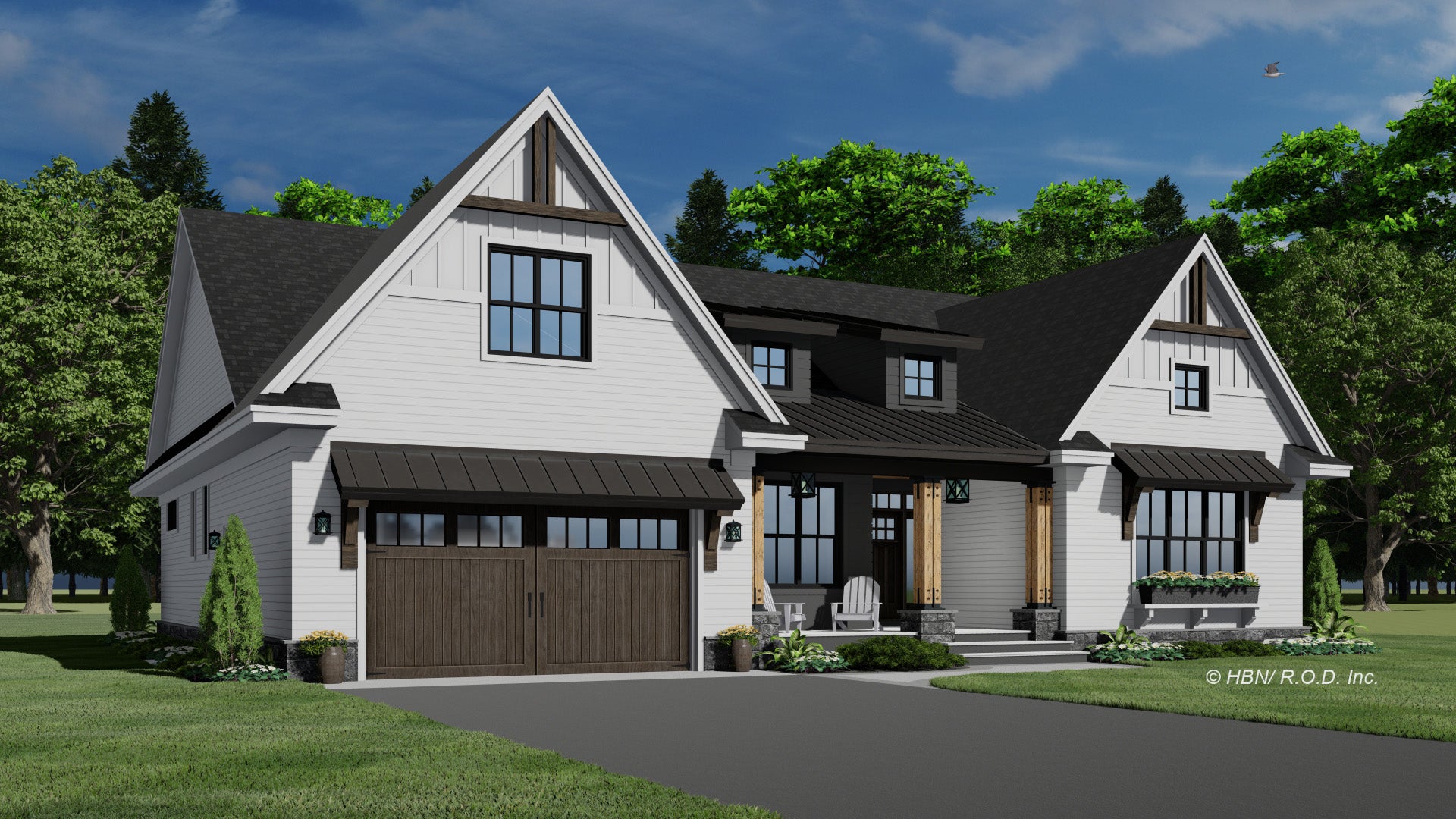
Beyond the Basics: The Architectural Advantage
What distinguishes a truly architectural plan from a standard, ready-made design? It boils down to customization, efficiency, and artistry.
1. Site-Specific Optimization (The Crucial Difference)
Standard plans are designed for generic, flat lots. An architect, however, designs the house for your specific piece of land. They consider:
- Solar Orientation: Positioning the house to maximize natural daylight in winter and minimize harsh heat gain in summer, leading to significant energy savings.
- Prevailing Winds and Views: Strategic placement of windows, doors, and outdoor living areas to capture beautiful views and optimize natural ventilation.
- Topography: Addressing slopes, soil conditions, and drainage issues, often saving you money on costly excavation and retaining walls that a standard plan might require.
2. Tailored to Your Unique Lifestyle
Your life is not “standard,” so why should your house be? An architect-designed plan is a direct reflection of your family’s habits, hobbies, and future needs.
- Functional Flow: Designing the interior spaces for how you actually live—perhaps a dedicated home office that doubles as a library, a mudroom for a family with active children, or an open-plan kitchen that serves as a central entertaining hub.
- Future-Proofing: Incorporating elements of universal design (like wider doorways or optional elevator shafts) that allow you to comfortably age in place or adapt to changing family dynamics without costly renovations.
3. Superior Craftsmanship and Documentation
Architects provide an exhaustive set of plans, elevations, and detailed construction notes. This level of detail is vital for a smooth building process:
- Reduced Surprises: Comprehensive plans minimize ambiguity for contractors, leading to more accurate bids and fewer costly mid-construction changes.
- Higher Quality Finish: The detailed specifications ensure that high-quality materials and construction methods are used, contributing to the home’s long-term durability and value.
Key Architectural Trends Shaping Modern Homes
Architects are at the forefront of innovation, continuously integrating new design concepts that enhance our quality of life. When choosing an architectural plan, look for these defining trends:
| Trend | Description | Benefit |
| Biophilic Design | Integrating natural elements (light, views, materials) to foster a connection with nature. | Improves mental well-being, reduces stress. |
| Zoning & Flexibility | Using sliding walls, pocket doors, and multi-functional rooms to create adaptable living spaces. | Maximizes space utilization; allows rooms to evolve with needs. |
| Sustainable Materials | Prioritizing locally sourced, reclaimed, or energy-efficient materials like mass timber or exposed concrete. | Lowers environmental impact and long-term maintenance costs. |
| Indoor-Outdoor Flow | Seamless transitions via expansive glass doors, cantilevered roofs, and integrated decking. | Extends living space and enhances entertaining capacity. |
Does an Architect’s Plan Increase the Cost?
It is true that the initial investment in a custom architectural plan is higher than buying a stock plan. However, this upfront cost is often recovered—and surpassed—through smart design efficiencies:
- Energy Efficiency: Optimized positioning and intelligent material choices lead to lower utility bills for the entire life of the house.
- Maximized Resale Value: A uniquely designed, well-built home with superior detailing and flow commands a significantly higher price in the market. Buyers recognize the value of true architectural quality.
- Construction Savings: Fewer errors during the build and smarter material usage directly translate to lower construction waste and labor costs.
In essence, a standard plan is an expense, while an architect-designed plan is a strategic investment in your property’s lasting value and your quality of life.
Conclusion: Investing in Intentional Design
Choosing a house plan from an architect is a decision to prioritize quality, functionality, and intentional design over immediate convenience. It is the critical first step in ensuring your home not only stands up but stands out. It gives you a residence that is perfectly integrated into its surroundings, flawlessly suited to your lifestyle, and built to appreciate in both value and comfort over time. Don’t just build a house; commission a home that is designed for you.
Would you like to search for a local architect or explore examples of modern, sustainable house plans?