The concept of an “aesthetic home” has evolved far beyond the fleeting trends of social media filters. In 2026, creating an aesthetic living space is no longer about replicating a showroom or following a rigid set of design rules. Instead, it is a deeply personal project aimed at harmonizing your physical environment with your mental well-being. An aesthetic home is a sanctuary that reflects your identity, inspires your creativity, and provides a functional backdrop for your daily life.
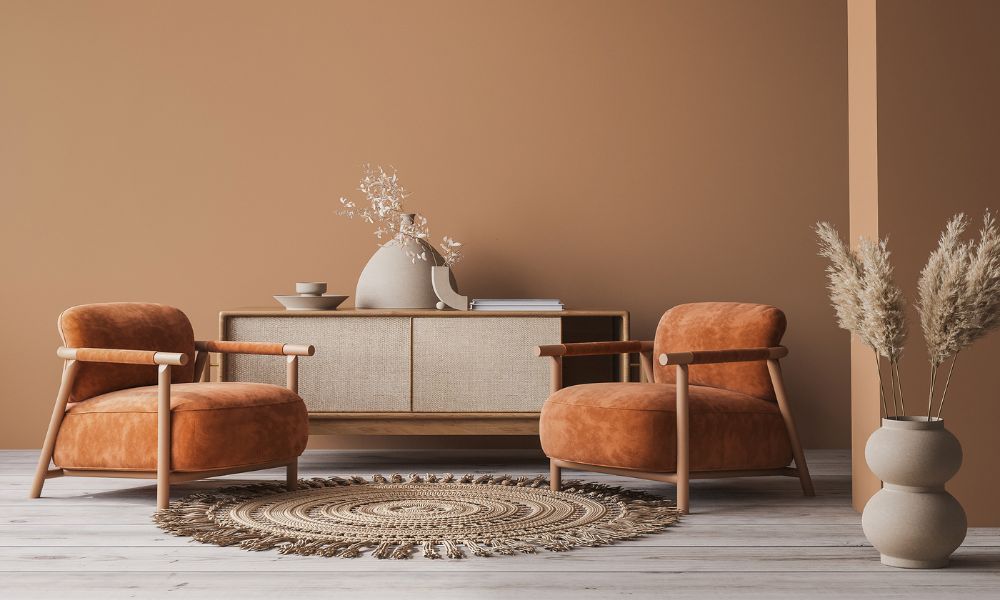
Whether you are starting with a blank canvas in a new apartment or looking to refresh a long-term residence, working on your home’s aesthetic requires a strategic blend of curation, intentionality, and a touch of artistic flair. This article explores the foundational steps and modern philosophies behind building a space that feels as good as it looks.
Defining Your Visual Language
Before purchasing a single piece of furniture or a gallon of paint, you must define your visual language. “Aesthetic” is a broad term that encompasses various styles—from the warm, cluttered comfort of “Cottagecore” to the sharp, clean lines of “Industrial Minimalism” or the vibrant, lived-in energy of “Bohemian Maximalism.”
To find your style, look beyond interior design magazines. Look at your wardrobe, your favorite films, and the landscapes that make you feel most at peace. Are you drawn to the muted, earthy tones of a forest, or the high-contrast, neon-lit energy of a metropolitan city? Once you identify these core preferences, you can create a “mood board” that serves as your North Star, ensuring that every addition to your home contributes to a cohesive atmosphere rather than creating visual noise.
The Power of a Curated Color Palette
Color is the most potent tool in your interior design arsenal. It has the psychological power to shift your mood the moment you walk through the door. For a truly aesthetic home, consistency is key. This does not mean every room must be the same color, but they should share a common “undertone.”
Current trends in 2026 lean toward “Digital Earth Tones”—colors that feel grounded in nature but have a slight luminosity. Think of sage greens with a silvery sheen, terracotta with a hint of pink, or deep charcoals that feel like velvet. Using a 60-30-10 rule is a professional secret for balance: 60% of the room should be a dominant neutral color, 30% a secondary color for furniture and textiles, and 10% an accent color for art and accessories. This creates a rhythm that guides the eye naturally through the space.
Lighting as a Mood Architect
You can spend thousands on high-end furniture, but if your lighting is harsh or misplaced, the aesthetic will fail. Lighting should be layered to create depth and warmth. Relying solely on “the big light” (overhead lighting) often flattens a room and makes it feel clinical.
To achieve an aesthetic glow, consider these three layers:
- Ambient Lighting: This is your base layer, usually soft overhead lights or natural sunlight. Use sheer curtains to diffuse afternoon sun for a “dreamy” effect.
- Task Lighting: Functional lights for reading or cooking. In an aesthetic home, even these should be stylish—think of brass floor lamps or sleek, matte-black desk lights.
- Accent Lighting: This is where the magic happens. Use LED strips behind monitors, warm-toned table lamps in dark corners, and candles of varying heights. The goal is to eliminate harsh shadows and create “pools” of light that make the home feel inviting after sunset.
The “Less But Better” Philosophy
One of the biggest mistakes in creating an aesthetic home is over-decorating. A space that is too crowded feels anxious, while a space that is too empty feels cold. The modern aesthetic movement prioritizes “intentional curation.”
Instead of buying mass-produced decor items to fill every shelf, wait for pieces that have a story. A hand-tossed ceramic vase from a local artisan, a vintage mirror found at a flea market, or a high-quality coffee table book about your favorite hobby adds more value than ten generic plastic trinkets. This approach—often called “Slow Decorating”—ensures that your home evolves with you, becoming a collection of memories and quality investments rather than a pile of disposable trends.
Bringing the Outside In: Greenery and Natural Textures
An aesthetic home in 2026 almost always incorporates biophilic design—the practice of connecting indoor spaces to the natural world. Plants are not just “decor”; they are living sculptures that add movement, color, and oxygen to your environment.
Large-leafed plants like the Monstera Deliciosa or the Fiddle Leaf Fig can serve as organic focal points in a living room. If you lack a green thumb, focus on natural textures instead. Incorporate materials like jute, linen, untreated wood, and stone. These elements add a “tactile” aesthetic that appeals to the sense of touch as much as the sense of sight, making your home feel grounded and sophisticated.
The Importance of Functional Aesthetics
A common pitfall is sacrificing function for fashion. An aesthetic home must still be a home. If your sofa is beautiful but painful to sit on, it fails the “living” test. Modern aesthetics favor furniture that is “ergonomically beautiful.”
Focus on hidden storage solutions to minimize “visual clutter.” Use aesthetic baskets, built-in shelving, or furniture with dual purposes (like a bed with hidden drawers). When the functional items—like your toaster, your spice jars, or your laundry basket—are chosen with an eye for design, the entire home feels elevated without feeling like a museum.
Conclusion
Working on your aesthetic home is a journey of self-discovery. It is about more than just matching pillows to curtains; it is about creating a physical manifestation of your inner world. By defining your visual language, mastering the layers of light, and choosing quality over quantity, you can transform any space into a source of daily inspiration.
Remember that an aesthetic home is never truly “finished.” It is a living, breathing entity that changes as your tastes and life stages evolve. Don’t be afraid to experiment, swap out art, or move furniture around. The most aesthetic home is ultimately the one that makes you feel the most like yourself the moment you step through the door. Focus on the details that bring you joy, and the “aesthetic” will follow naturally.