Designing a modern bathroom requires a thoughtful balance between everyday practicality and personal relaxation. Far from being merely utilitarian utility spaces, contemporary bathrooms serve as private retreats where morning routines begin and evening unwind sessions take place. Whether managing a compact powder room or planning a spacious master suite overhaul, adopting intentional design concepts can elevate both the aesthetic value and daily functionality of your home.
Reimagining Spatial Layouts for Enhanced Movement and Flow
A well-designed bathroom prioritizes seamless movement, intuitive storage access, and smart spatial proportions. Optimizing the floor plan prevents clutter accumulation and ensures that multiple fixtures can be used comfortably without physical obstruction.
To improve efficiency and visual openness within any layout:
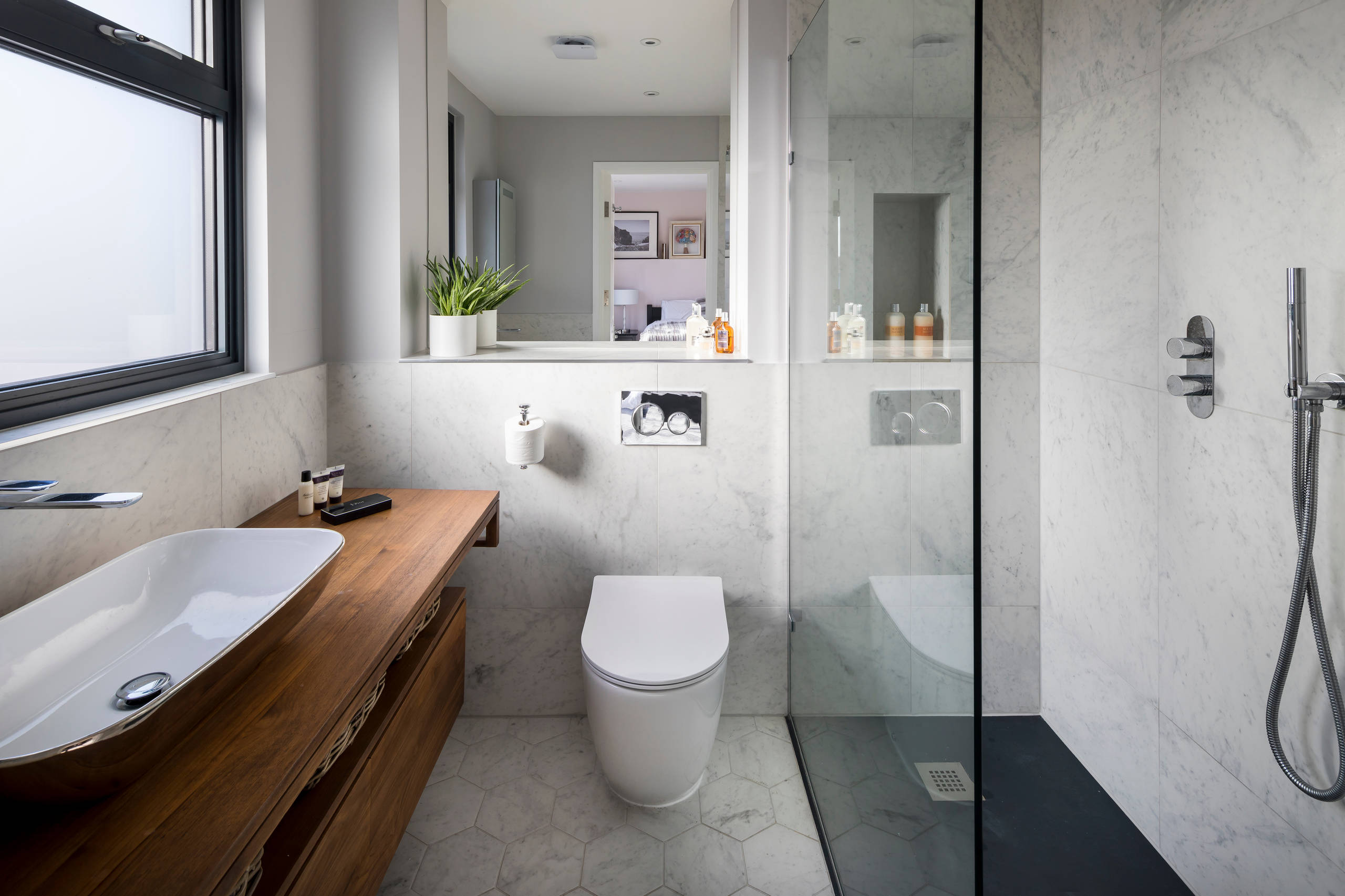
- Incorporate Floating Vanities: Wall-mounted vanities expose continuous floor tile beneath them, instantly creating an illusion of greater floor area while offering clean, modern lines.
- Establish Clear Wet and Dry Zones: Physically separating showering or bathing areas from vanity and toilet sections using frameless glass partitions keeps water contained and maintains a clean, dry environment throughout the day.
- Utilize Vertical Storage Niches: Built-in recessed wall niches within shower enclosures and above bathtubs provide sleek storage for toiletries without encroaching on valuable interior elbow room.
Aligning structural elements with natural movement patterns ensures that the room feels spacious, orderly, and comfortable.
Material Selection: Balancing Aesthetic Warmth and Long-Term Durability
Bathrooms are subjected to constant moisture, fluctuating temperatures, and heavy daily use. Selecting materials that withstand humidity while introducing tactile warmth is essential for creating a long-lasting, inviting atmosphere.
Organic Stone and Porcelain Innovation
Large-format porcelain tiles with minimal grout lines offer a sleek, sophisticated appearance while dramatically reducing maintenance efforts. Combining polished or honed natural stone—such as marble, travertine, or slate—with warm matte finishes adds depth, surface interest, and organic texture to vanity countertops and accent walls.
Integrating Warm Wood Accents and Metal Finishes
To prevent high-moisture spaces from feeling cold or clinical, incorporate moisture-resistant wood elements such as teak, white oak, or treated bamboo. Pairing these natural wood tones with brushed brass, matte black, or gunmetal hardware introduces refined contrast and timeless visual appeal.
Lighting Layers and Atmospheric Control
Proper lighting design in a bathroom must support functional tasks like grooming while providing soft, relaxing illumination during evening baths. Achieving this versatility requires layering different lighting sources rather than relying on a single overhead fixture.
Consider implementing three key lighting layers:
- Task Lighting around Mirrors: Position vertical sconces or integrated LED mirror backlighting at eye level to eliminate harsh facial shadows during morning routines.
- Ambient Ceiling Illumination: Recessed, dimmable LED ceiling lights provide general illumination across the entire space, allowing full control over brightness based on the time of day.
- Accent and Mood Feature Lighting: Concealed LED strip lighting under floating vanities, inside shower niches, or along ceiling coves adds a subtle, hotel-style luxury glow perfect for unwinding.
Controlling light intensity allows the room to shift effortlessly from a bright, energizing morning space to a serene, dim sanctuary at night.
Water Efficiency and Smart Fixture Integration
Modern fixture design seamlessly combines water conservation technology with luxury performance. Integrating updated plumbing technology enhances convenience while reducing daily environmental impact and utility expenses.
- Thermostatic Shower Systems: Advanced shower valves maintain pre-set water temperatures consistently, eliminating unexpected hot or cold surges while optimizing water heating efficiency.
- Dual-Flush and Smart Toilets: High-efficiency, wall-hung toilets feature customizable flush settings, integrated bidet functionality, self-cleaning surfaces, and hands-free operation.
- Aerated Water Faucets: High-performance basin faucets infuse air into the water stream, delivering a soft, luxurious water flow while significantly lowering overall water consumption.
Investing in smart, durable fixtures ensures long-term comfort, hygiene, and sustainable water management.
Sensory Enhancements and Finishing Touches
The final elements introduced into a bathroom tie the overall design together, turning a functional room into a deeply comforting personal spa. Focusing on sensory details completes the environment without adding visual clutter.
Integrating high-quality textiles, such as plush organic cotton towels and waffle-weave bath sheets, introduces soft texture underfoot and on bath racks. Introducing low-maintenance indoor plants that thrive in high humidity—such as snake plants, ferns, or pothos—purifies indoor air while adding vibrant organic color. Finally, maintaining concealed storage for daily personal care products leaves open surfaces clear for subtle decorative accents, such as stone soap trays or ceramic diffusers.
Conclusion
Creating an exceptional bathroom experience comes down to blending spatial planning, durable material selections, layered lighting, and functional technology. By focusing on intentional design choices rather than fleeting decorative trends, you can transform your bathroom into an organized, efficient, and beautifully comforting sanctuary that elevates your daily routine for years to come.