A well-maintained roof serves as the primary barrier against harsh weather conditions, moisture intrusion, and environmental wear. While homeowners often focus on interior design and landscaping, the structural performance of a roofing system directly dictates the overall longevity and safety of a property. Implementing a proactive roof repair and maintenance strategy prevents minor defects from evolving into costly structural damage, preserves energy efficiency, and protects long-term real estate equity.
Understanding the Dynamics of Roof Aging and Degradation
Roofing materials undergo continuous stress due to thermal expansion, ultraviolet radiation, wind pressure, and moisture accumulation. Over time, these natural elements compromise structural bonds, cause material fatigue, and expose subtle vulnerabilities in the building envelope.
Common factors contributing to roofing degradation include:
- Thermal Shock and Expansion: Daily temperature fluctuations cause roofing materials to expand during hot hours and contract during cool nights. This continuous movement eventually cracks seals, loosens fasteners, and splits asphalt or tile surfaces.
- Ultraviolet Material Break Down: Prolonged sun exposure breaks down the protective granules on asphalt shingles and degrades synthetic underlayment membranes, rendering them brittle over time.
- Moisture Retention and Biological Growth: Stagnant water, moss, algae, and lichen trap moisture against roof surfaces. This organic growth accelerates rotting in wooden decking and causes freeze-thaw cracking during winter months.
Recognizing how environmental conditions affect your specific roofing material allows for timely interventions before internal leaks occur.
Essential Routine Maintenance Strategies for Peak Performance
Preventative maintenance is significantly more cost-effective than emergency structural repairs or premature full-roof replacements. Establishing a regular inspection schedule ensures that minor wear is addressed before water breaches the ceiling or interior framing.
Bi-Annual Inspection Protocols
A thorough roof inspection should be conducted twice a year, ideally during late spring and autumn. Homeowners can perform preliminary visual assessments from ground level using binoculars, looking for missing shingles, lifted flashing, or sagging rooflines. However, hiring a licensed roofing professional ensures a detailed evaluation of structural integrity, underlayment condition, and ventilation performance.
Clearing Drainage and Gutter Systems
Obstructions in gutters and downspouts cause water to back up beneath the roof edge, leading to fascia board rot and soffit damage. Regularly clearing leaves, twigs, and debris keeps water flowing away from the foundation and roof perimeter. Installing high-quality gutter guards further minimizes debris buildup and reduces manual cleaning frequency.
Trimming Overhanging Tree Branches
Overhanging tree limbs pose a dual threat to roofing systems. Heavy winds can cause branches to scrape away protective surface coatings or break off entirely, impacting the structure. Furthermore, overhanging foliage sheds leaves onto the roof deck and provides easy access for squirrels, birds, and insects to establish nests near the eaves.
Identifying and Addressing Common Roof Repair Scenarios
When damage occurs, prompt action prevents water from migrating into wall cavities and ceiling joists. Understanding common repair scenarios helps homeowners communicate effectively with contractors and ensure quality repairs.
Repairing Damaged or Missing Shingles
High winds and heavy storms can lift, tear, or dislodge shingles entirely. Replacing individual damaged shingles involves breaking the thermal sealant bond, extracting old nails, fitting a matching replacement shingle, and securing it with rust-resistant roofing nails and fresh sealant.
Resealing Flashing and Penetration Points
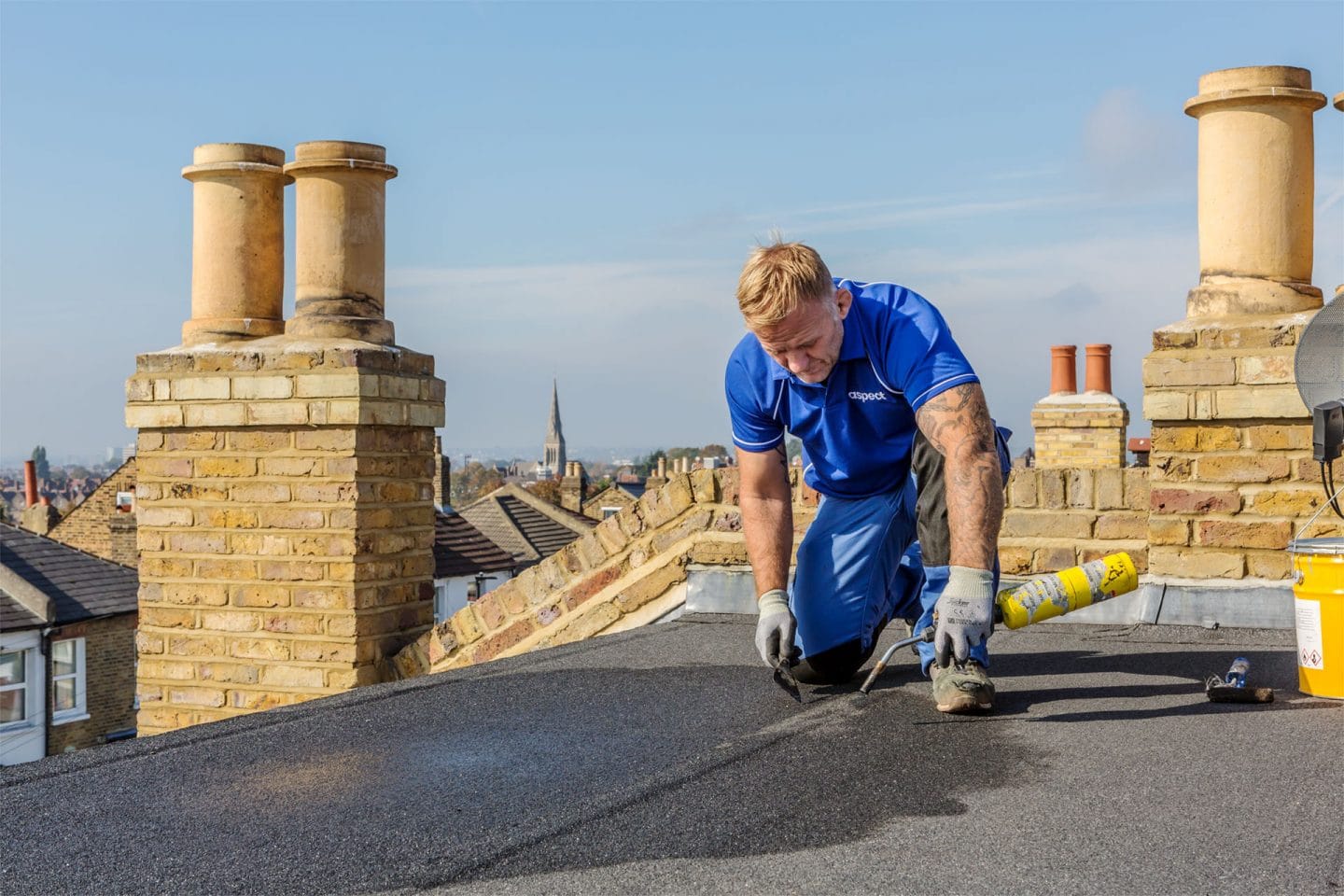
Roof penetrations—including chimneys, skylights, plumbing vents, and exhaust pipes—represent the most vulnerable points for water intrusion. Metal flashing installed around these seams can warp, rust, or separate over time. Re-caulking dried joints with high-grade elastomeric sealant or replacing corroded flashing strips restores the watertight seal.
Managing Hidden Attic Moisture and Ventilation
Inadequate roof ventilation traps heat and moisture inside the attic space. During hot months, excessive attic heat bakes shingles from below, drastically shortening their lifespan. In cold seasons, trapped humidity condenses on rafters, encouraging mold growth and wood rot. Ensuring balanced soffit, ridge, and gable vents maintains continuous airflow and stabilizes indoor temperature.
Modern Technological Innovations in Roof Care
The roofing industry has evolved beyond basic patching compounds. Modern property owners benefit from advanced diagnostic tools and high-performance protective coatings designed to extend roof life.
- Thermal Imaging and Infrared Leak Detection: Infrared cameras detect temperature variations across the roof deck, allowing professionals to pinpoint hidden moisture pockets beneath intact surface shingles without destructive testing.
- Reflective Elastomeric Coatings: Applying fluid-applied elastomeric or silicone coatings over existing flat or low-slope roofs creates a seamless, waterproof membrane that reflects solar heat, lowers cooling bills, and extends roof utility by years.
- Automated Drone Inspections: Drones equipped with high-resolution visual cameras assess steep, multi-story, or hard-to-reach roofs safely and quickly, providing detailed photographic records for insurance and maintenance tracking.
Integrating these modern methodologies simplifies maintenance tracking and provides verified documentation when selling a home.
Conclusion
Sustaining a reliable, weather-tight roof requires a commitment to routine inspections, proactive debris management, and timely professional repairs. By treating roof maintenance as a continuous investment rather than an emergency response, homeowners safeguard their property against costly water damage, enhance energy efficiency, and ensure lasting structural security for decades to come.