The world of interior design often feels like an exclusive club, reserved for those with expensive degrees, a limitless budget, and an innate sense of “cool.” When we look at high-end design magazines or perfectly curated social media feeds, it is easy to feel intimidated. However, interior design is fundamentally about the relationship between a human being and their environment. It is less about following rigid rules and more about understanding how balance, light, and texture influence your daily mood.
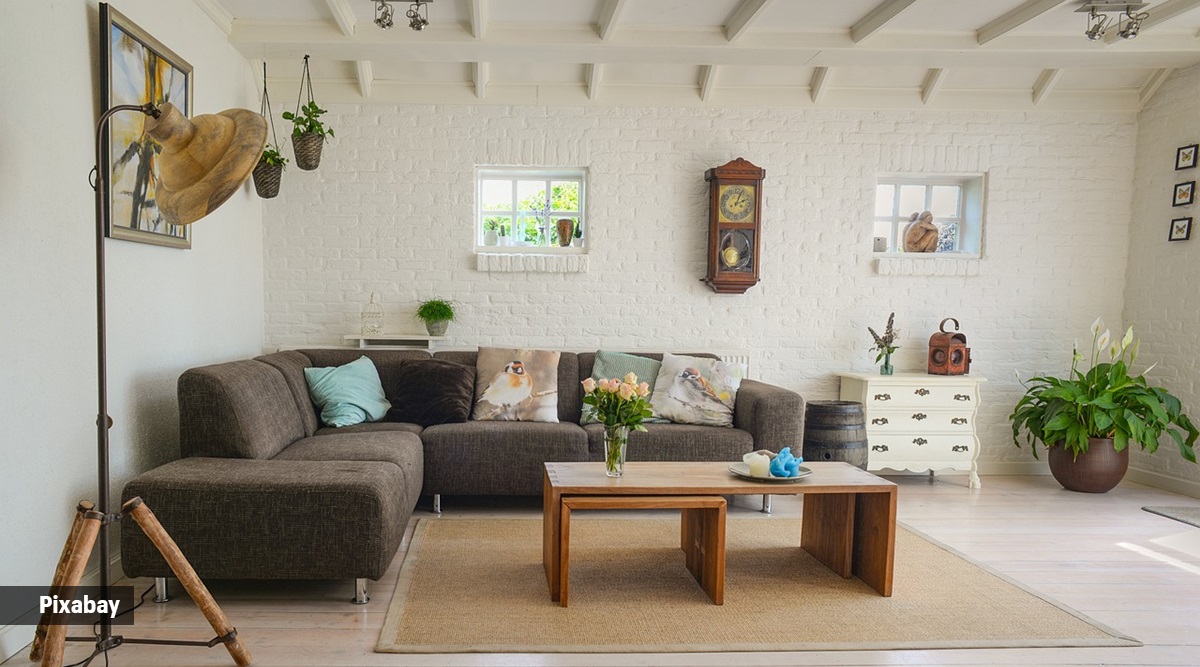
In 2026, the trend has shifted away from “catalogue perfection” toward personalized, lived-in aesthetics. You do not need a professional consultant to transform your home into a beautiful, functional sanctuary. By mastering a few foundational principles, even a complete novice can create a professional-looking space. Here are the essential interior design tips that you can start using today.
The Power of the “Anchor” Piece
One of the most common mistakes in DIY home design is buying several small, disconnected items hoping they will eventually come together. This often results in a room that feels cluttered and directionless. Professional designers always start with an “Anchor.”
An anchor piece is the primary focal point of a room—usually the largest item, such as a sofa in the living room, a dining table in the kitchen, or a headboard in the bedroom. When you invest in a high-quality, neutrally toned anchor piece, the rest of the design becomes much easier. Once the anchor is in place, you can build around it with smaller, more affordable accents like cushions, rugs, and art. If you feel lost, always return to your anchor and ask: “Does this new item complement the main piece?”
Master the 60-30-10 Color Rule
Color is the fastest way to change the “vibe” of a room, but it is also the easiest place to make a mistake. To avoid a space that feels either too chaotic or too boring, use the 60-30-10 rule. This is a classic decorating formula that helps create a balanced color palette.
- 60% Dominant Color: This is usually your neutral base. It covers the walls, large area rugs, and perhaps your anchor furniture. It sets the overall “temperature” of the room.
- 30% Secondary Color: This color provides contrast. It might be found in your curtains, accent chairs, or a single painted “feature wall.” It should be distinct from the dominant color but still harmonious.
- 10% Accent Color: This is your “pop.” It is used for smaller items like throw pillows, candles, artwork, or decorative vases. Because it only makes up 10% of the room, you can afford to be bold, bright, or trendy with this choice.
Lighting: The Secret Ingredient of Atmosphere
Many people believe that interior design is purely visual, but it is actually atmospheric. The biggest culprit of a “cheap” looking room is poor lighting. Most homes rely on a single, harsh overhead light—often called “the big light”—which flattens textures and creates unflattering shadows.
To design like a pro, you must layer your lighting. Aim for at least three sources of light in every room. Start with your ambient light (the overhead), then add task lighting (a reading lamp or under-cabinet lights), and finally, accent lighting (a small table lamp in a dark corner or a picture light over a painting). Using “warm” bulbs (around 2700K to 3000K) instead of “cool white” bulbs will instantly make your home feel more expensive and inviting.
The “Rule of Three” for Decorating
When it comes to styling shelves, coffee tables, or mantels, the “Rule of Three” is your best friend. Humans are naturally wired to find odd numbers more visually appealing and energetic than even numbers. Grouping items in threes creates a sense of balance without being too symmetrical.
When creating a grouping, vary the height, scale, and texture of the objects. For example, on a coffee table, you might place a stack of two books (horizontal), a medium-sized candle (vertical), and a small, round decorative bowl (organic shape). This variation keeps the eye moving and makes the arrangement look intentional rather than accidental.
Scale, Proportion, and “Negative Space”
A common error is choosing furniture that is the wrong size for the room. In a small room, many people buy tiny furniture, which actually makes the space feel like a dollhouse. Conversely, putting too many large pieces in a big room makes it feel like a warehouse.
Before buying anything, use painter’s tape to “draw” the dimensions of the furniture on your floor. This allows you to see if you still have enough “Negative Space”—the empty areas between objects. Negative space is vital because it gives the eyes a place to rest. A room that is packed from wall to wall feels claustrophobic, regardless of how beautiful the individual pieces are.
Bringing the Outside In: The Biophilic Touch
If a room feels “dead” or clinical, the easiest fix is a plant. Greenery adds a literal spark of life to a space. Plants provide organic shapes that break up the hard lines of furniture and walls. If you are worried about maintenance, start with low-light “unkillable” plants like the Snake Plant or Pothos.
If live plants are not an option, focus on natural textures. A jute rug, a wooden bowl, or linen curtains can provide that same sense of groundedness and warmth that nature brings. These “Biophilic” elements are essential for making a house feel like a home.
Conclusion
Interior design is not about spending the most money; it is about making the most intentional choices. By identifying your anchor pieces, following a simple color formula, and layering your lighting, you can elevate your living space far beyond the average DIY effort.
Remember that your home should be a reflection of your personality, not a replica of a showroom. Use these tips as a framework, but do not be afraid to break the rules once you feel comfortable. The most successful interiors are those that feel balanced, comfortable, and uniquely yours. Start small, focus on one room at a time, and watch as these simple professional secrets transform your environment into a place you never want to leave.