Your roof is arguably the most critical component of your home’s structure. It acts as the primary shield against the elements—sun, wind, rain, and snow. Neglecting minor issues can quickly lead to catastrophic and costly damage, not just to the roof itself, but also to the underlying structure, insulation, and interior finishes. Understanding the fundamentals of roof repair is essential for every homeowner, empowering you to identify problems early and take swift, appropriate action.
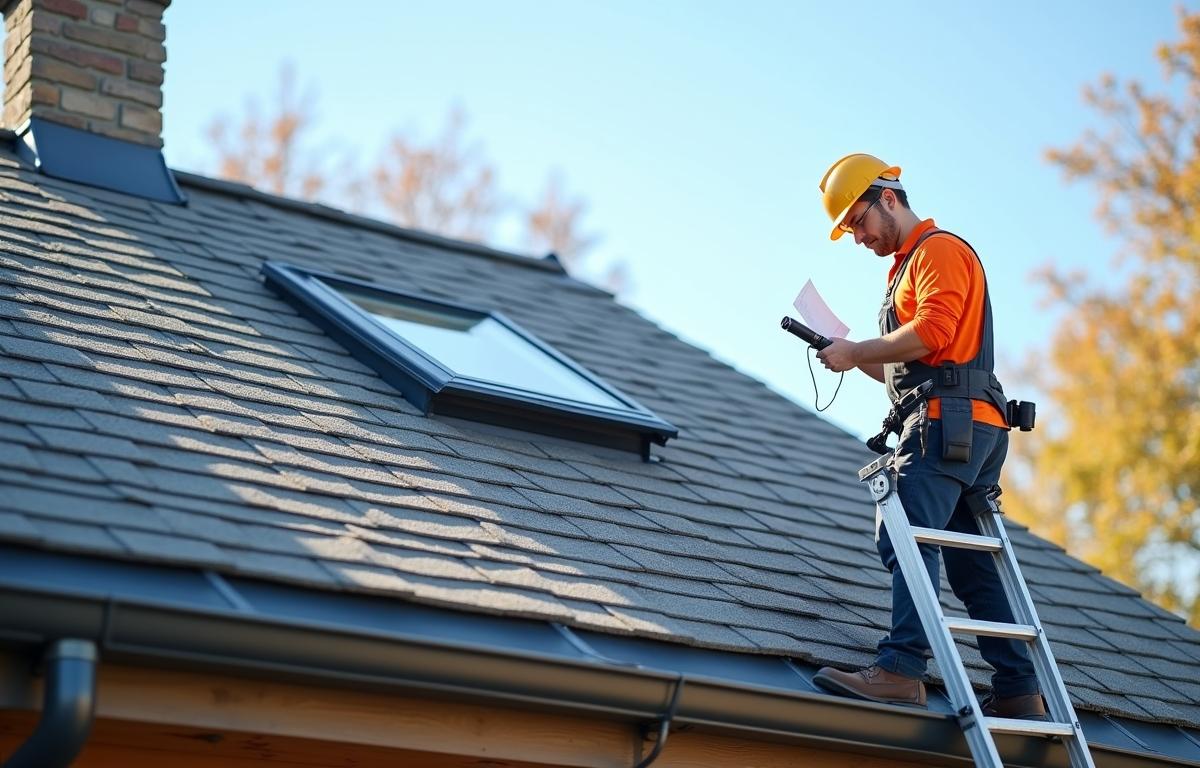
This guide delves into the common signs of roof damage, the crucial steps for inspection, and the best practices for addressing different types of repairs, whether you plan to tackle them yourself or hire a professional.
Identifying the Silent Threats: Common Signs of Roof Damage
Often, the first sign of a roof problem is a leak appearing in the ceiling, but by then, significant damage has already occurred. Being proactive means knowing what to look for outside before the problem manifests inside.
1. Missing or Damaged Shingles
In asphalt shingle roofs, this is the most obvious sign. High winds can tear off entire shingles, leaving the underlayment exposed. Equally important are shingles that are:
- Curling: Shingles that curl at the edges or in the middle are nearing the end of their lifespan due to heat and aging, making them susceptible to wind lift and cracking.
- Cracking: Cracks allow water to penetrate the protective granular surface and saturate the underlying material.
- Granule Loss: If you see excessive amounts of asphalt granules (which look like coarse black sand) washing out of your downspouts, it indicates the shingle’s protective layer is wearing thin.
2. Flashing Failures
Flashing—the thin pieces of metal installed around chimneys, vents, skylights, and in valleys—is designed to create a watertight seal where the roof plane changes or meets a vertical surface. Failed flashing is the single most common cause of roof leaks. Look for:
- Separation: Flashing that has pulled away from the chimney or wall.
- Rust or Corrosion: Compromised metal integrity.
- Missing Sealant: Dried-out or cracked caulking around vent pipes or seams.
3. Sagging and Water Pooling
A visible sag in the roofline is a serious structural concern, usually indicating water saturation in the underlying decking or failure of the trusses or rafters. Similarly, flat roofs may develop areas where water pools, which accelerates the decay of the roofing membrane.
The Essential First Step: Safety and Inspection
Before any repair work begins, safety is paramount. Never attempt a roof inspection or repair when the roof is wet, icy, or during high winds. Always use a stable ladder and wear appropriate non-slip footwear.
The Inspection Process:
- Gutter and Ground Check: Look for those tell-tale granules or pieces of shingle debris in your gutters or on the ground around the house. This gives you an initial clue about which side of the house might be experiencing the most wear.
- Exterior Visual Scan: Use binoculars from the ground to scan the entire roof surface for missing pieces, visibly damaged flashing, and any signs of discoloration or biological growth (like moss or algae).
- Attic Inspection (The Leak Detective): The attic is the best place to find the exact source of a leak. Look for water stains, mold, or mildew on the underside of the roof decking and rafters. Water often travels down rafters before dripping, so the stain you see on your ceiling might be several feet away from the actual roof breach.
Repair Strategies for Common Issues
The method of repair depends heavily on the material and the extent of the damage.
1. Replacing Missing Shingles
For one or two missing shingles, a DIY repair is often feasible:
- Preparation: Carefully use a pry bar to lift the edges of the surrounding shingles without breaking them.
- Insertion: Slide the new shingle into place, ensuring it aligns perfectly with the adjacent shingles.
- Securing: Use galvanized roofing nails placed beneath the overlap of the shingle above it. Cover the nail heads with a small dab of roofing cement for extra sealing.
2. Sealing Compromised Flashing
If the leak is traced to flashing, the repair often involves re-sealing or replacement:
- Minor Leaks: For small gaps or cracks in sealant, high-quality, exterior-grade polyurethane sealant or specialized roof cement can be applied. Ensure the area is clean and dry before application.
- Major Leaks: If the metal flashing is severely bent, rusted, or widely separated, it must be replaced. This is a complex repair, often requiring lifting shingles and installing new sheet metal, and is usually best left to a professional roofer to ensure proper water diversion.
3. Dealing with Vents and Penetrations
Roof vents, plumbing stacks, and exhaust fans are common leak points because the seals around them dry out and crack.
- Vent Boot Replacement: If the rubber seal (boot) around a plumbing vent stack is cracked, the entire vent boot must be replaced. This involves carefully prying up the surrounding shingles and sliding a new boot over the pipe, securing it with roofing nails and cement.
When to Call a Professional: The Threshold for Replacement
While minor spot repairs are manageable, recognizing when a repair is insufficient and a full replacement is needed is crucial for financial and structural safety.
- Age: Most asphalt shingle roofs last between 20 and 30 years. If your roof is past the 20-year mark and experiencing recurring issues, replacement is usually the smarter long-term investment.
- Widespread Damage: If damage, such as extensive cracking or granular loss, is spread across more than 30% of the roof surface, patching individual spots becomes inefficient and uneconomical.
- Storm Damage: Following severe hail or wind, hidden damage to the underlying matting may exist, even if the visible signs are minor. In these cases, a professional inspection is mandatory to document damage for insurance purposes.
Conclusion: Maintaining Your Investment
Your roof is a system, and like any complex system, it requires regular inspection and timely intervention. Addressing minor repairs quickly and effectively preserves the integrity of your home, prevents interior water damage, and extends the overall lifespan of your roofing material. By understanding the signs of damage and knowing when to execute a simple fix versus when to call in the expertise of a professional, you are actively maintaining the most valuable shield protecting your home and investment.