In the modern household, the Air Conditioning (AC) system is often the unsung hero of daily comfort. We rely on it to regulate temperature, combat humidity, and provide a sanctuary from the sweltering outdoor heat. However, because the most critical components of an HVAC system are tucked away behind vents and metal casings, we often fall into the trap of “out of sight, out of mind.”
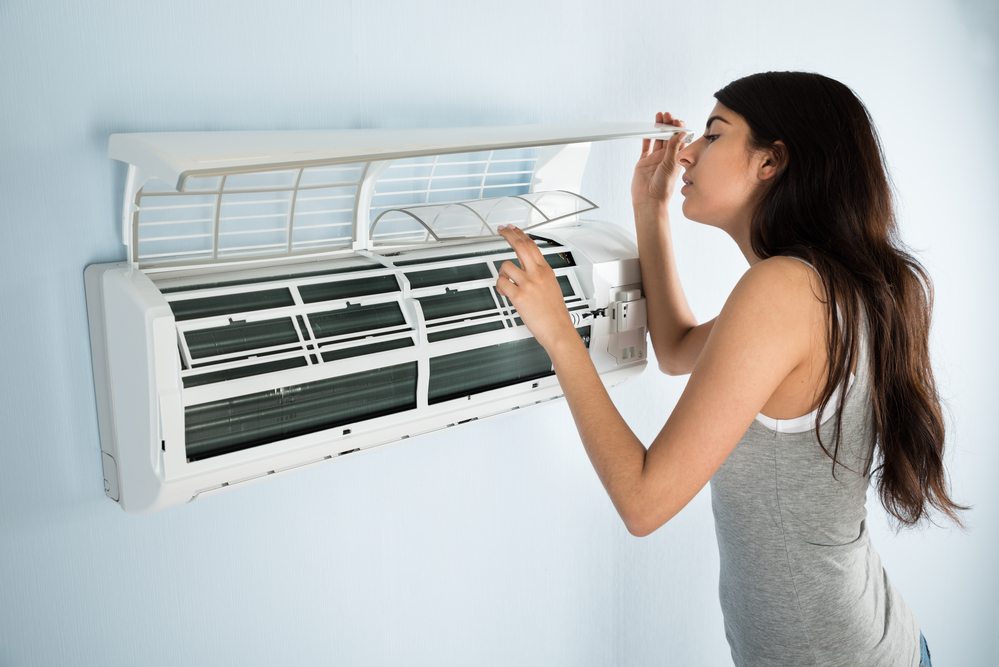
One of the simplest yet most frequently neglected maintenance tasks is the routine replacement of the AC filter. While it may seem like a minor chore, the state of your air filter dictates the efficiency of your machine, the cost of your utility bills, and—most importantly—the quality of the air entering your lungs. This article explores why this small piece of mesh is the gatekeeper of your home’s health and longevity.
The Anatomy of Filtration: What Does the Filter Actually Do?
To understand why changing the filter is necessary, one must first understand its primary function. An AC filter is designed to protect the internal components of the air conditioning unit, specifically the evaporator coil and the blower motor. As the system pulls air from your rooms to be cooled, the filter traps airborne particles such as dust, lint, pet dander, and pollen.
Without a functional filter, these particles would settle on the cooling coils, creating a layer of grime that acts as an unintended insulator. This prevents the refrigerant inside the coils from absorbing heat effectively. In short, the filter is the first line of defense that keeps the “lungs” of your AC system clean and operational.
Protecting Your Physical Health: Indoor Air Quality
Most people spend approximately 90% of their time indoors. Paradoxically, indoor air can be significantly more polluted than outdoor air due to the concentration of allergens and pollutants. When an AC filter becomes clogged, it can no longer trap new particles. Even worse, the accumulated debris can begin to “bypass” the filter or flake off into the ductwork, recirculating through your home.
For individuals with asthma, hay fever, or chronic respiratory conditions, a dirty filter can lead to immediate physical discomfort. Symptoms such as itchy eyes, frequent sneezing, headaches, and fatigue are often misattributed to seasonal changes when the culprit is actually a saturated AC filter. By changing your filter every 30 to 90 days, you are essentially installing a fresh “mask” for your home, ensuring that the air you breathe is crisp and free from microscopic irritants.
Efficiency and the Impact on Your Wallet
In an era of rising energy costs, efficiency is no longer just an environmental concern; it is a financial one. A clogged AC filter restricts airflow, forcing the system to work much harder to pull in the necessary amount of air to meet the temperature set on your thermostat.
When a motor has to work at maximum capacity for extended periods, it consumes a significantly higher amount of electricity. Experts suggest that a dirty filter can increase your cooling costs by 5% to 15%. Over the course of a long summer, this adds up to a substantial amount of wasted money. Replacing a ten-dollar filter is a small investment that pays for itself almost immediately through reduced monthly utility statements.
Preventing Catastrophic System Failure
Beyond the monthly bills, the long-term health of your HVAC system is at stake. An AC system that is forced to “strain” against a blocked filter experiences accelerated wear and tear. This stress often leads to the two most common—and expensive—AC failures:
- Frozen Evaporator Coils: When airflow is restricted, the cold coils cannot absorb enough heat. This causes the condensation on the coils to freeze, eventually turning the unit into a block of ice that ceases to function entirely.
- Motor Burnout: The blower motor is designed to move air under specific pressure conditions. If it has to fight against a clogged filter, it will eventually overheat and burn out, requiring a replacement that can cost thousands of dollars.
Routine filter changes are the most effective way to extend the lifespan of your unit, potentially delaying the need for a total system replacement by several years.
Environmental Responsibility
Sustainability is a key theme for homeowners in 2026. A home that runs efficiently is a home with a smaller carbon footprint. By ensuring your AC doesn’t have to overwork, you are reducing the total energy demand of your household. Furthermore, many modern filters are now available in reusable, washable formats or made from biodegradable materials, allowing you to maintain your system without contributing to excessive landfill waste.
How Often Should You Change It?
The frequency of replacement depends on several variables within your lifestyle:
- The “Standard” Household: Every 90 days is usually sufficient for a home with no pets and high-quality air.
- The Pet Owner: If you have dogs or cats, pet dander accumulates quickly. Aim for every 60 days.
- The Allergy Sufferer: To maintain peak air purity, consider changing the filter every 30 days.
- Vacation Homes: If the system is rarely used, you can likely wait up to 6 to 12 months.
Conclusion
The importance of changing your AC filter cannot be overstated. It is a rare example of a home maintenance task that is low-cost, low-effort, but high-impact. By taking five minutes every few months to slide in a fresh filter, you are protecting your respiratory health, maximizing your home’s energy efficiency, and safeguarding one of your most expensive household investments.
Don’t wait for your system to start making strange noises or for your electricity bill to spike before you take action. Treat your AC filter as a vital component of your home’s wellness routine. A clean filter is the foundation of a cool, comfortable, and healthy living environment. Take a moment today to check your vents—your lungs and your bank account will thank you.